Presenting theory underlying this tools, with all its founding elements and the underlying philosophy.
Theory of change
Theory of Change is basically a comprehensive description and demonstration of how and why a desired change is expected to happen in a particular context.
Logic Models
A logic model presents a picture of how effort or initiative is supposed to work. It explains why strategy is a good solution to the problem at hand.
Bayesian networks
A Bayesian network is a graphical model that is ideal for taking an event that occurred and predicting that any one of several possible known causes was the contributing factor.
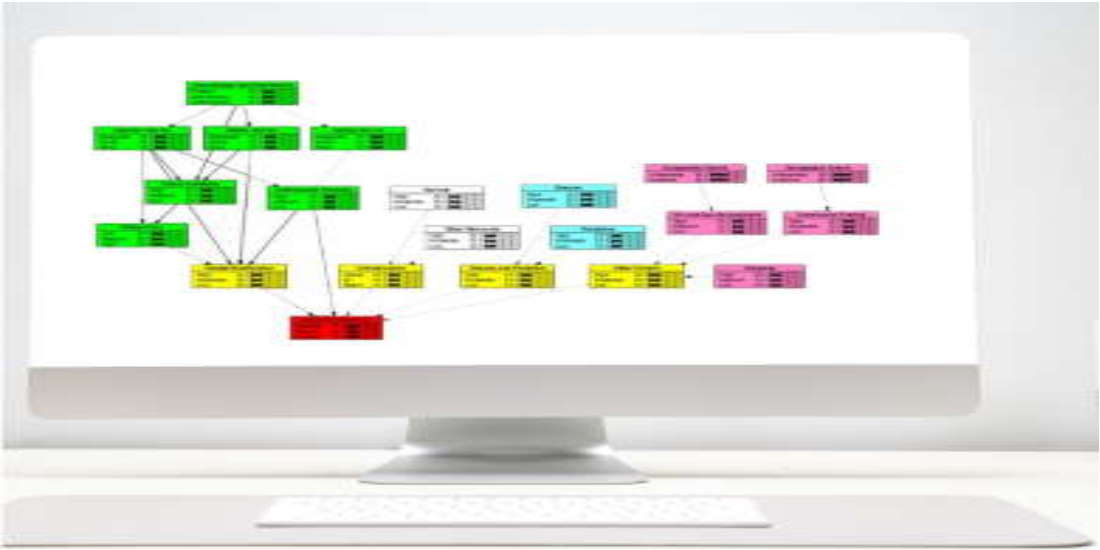
Using Bayesian networks for policy processes
Bayesian networks have been identified as a powerful tool for reasoning under uncertainty arising from: gaps in knowledge about systems, imperfect understanding of systems, randomness in the mechanisms driving systems’ behaviour or any combination of these factors.
Bayesian networks are fast and reliable policy analysis tools
Bayesian networks can help focus attention on key aspects of a complex system thus allowing analysis to concentrate on the important relationships in a large multivariate data set
Rationale
Mission oriented research and innovation is the new tenet of EU inspired policy making at European and national levels. However, what about the regional and urban levels? Does it make sense to have missions and if so, how do research and innovation processes and outputs differ from non mission oriented ones?
Solution
As a contribution to answering those questions, we propose to use OBNs to describe “generic” mission oriented research and innovation processes. Generic means that a specific mission is not superimposed. We are confident that a number of MED regional and local policy makers will accept being part of a (virtual) working group and making their own specific proposals for missions that make sense at their territorial level. Of course, this exercise is agnostic with respect to the “appropriateness” of the selected mission. What we are interested in is the use of OBNs (Oriented Bayesian Nets) to highlighting the consequences of using or not using a mission oriented vision here.
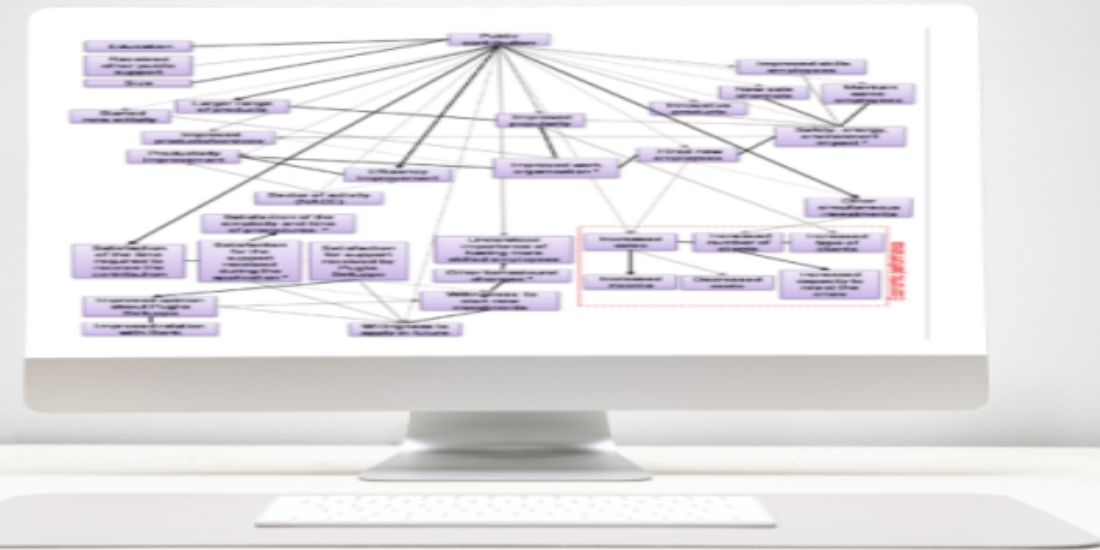
Policy examples
List of prepared policy examples
.png)
.png)
.png)
.png)
.png)
.png)
.png)
.png)
.png)
.png)
.png)
.png)
Contact us

.
Company
Contact
2021 © XR8